Complex Wound Management: Advanced Healing Techniques
Explore advanced wound management techniques including negative pressure therapy, skin grafts, flaps, and the critical role of a plastic surgeon in healing chronic and complex wounds in Mumbai.
Dr. Prasanna Somvanshi
MCh Plastic Surgery, Mumbai
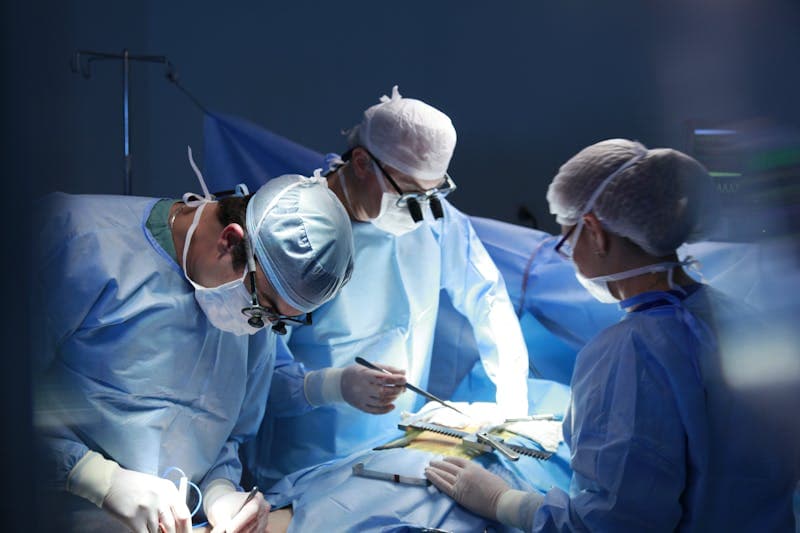
What Are Complex Wounds?
A complex wound is any wound that fails to heal through the normal healing process within an expected timeframe. These wounds may be chronic (present for more than 4-6 weeks), infected, associated with underlying medical conditions, or involve exposure of critical structures such as bone, tendon, or joints. Complex wounds represent a significant healthcare challenge, requiring specialised expertise to manage effectively.
Dr. Prasanna Somvanshi, a board-certified plastic surgeon in Mumbai, brings advanced wound management skills that are a core part of plastic surgery training. His experience at JJ Hospital, one of India's busiest trauma centres, provided extensive exposure to complex and challenging wounds. He currently provides wound care services at SevenHills Hospital, HN Reliance Foundation Hospital, NH SRCC, MRR Hospital, Surya Hospital, and Sushrusha Hospital in Mumbai.
Types of Complex Wounds
Complex wounds can arise from various causes:
- Diabetic ulcers – Chronic non-healing wounds on the feet, the leading cause of non-traumatic lower limb amputations.
- Pressure ulcers (bedsores) – Caused by prolonged pressure on the skin, commonly seen in bedridden or wheelchair-bound patients. These can erode through skin, fat, and muscle down to bone.
- Venous and arterial ulcers – Resulting from circulatory problems in the legs.
- Traumatic wounds – Open fractures, degloving injuries, and wounds from accidents that involve significant tissue loss.
- Post-surgical wounds – Wound breakdown or dehiscence after surgery, including after cancer surgery.
- Radiation wounds – Tissue damage resulting from radiation therapy for cancer treatment.
- Infected wounds – Wounds complicated by bacterial infection, including necrotising fasciitis, that resist standard treatment.
The Role of a Plastic Surgeon in Wound Care
While many healthcare professionals are involved in wound care, plastic surgeons bring unique capabilities to the management of complex wounds. The plastic surgeon's expertise in tissue handling, flap surgery, microsurgery, and skin grafting makes them essential for wounds that cannot be closed by simple means. Dr. Prasanna Somvanshi's approach to complex wounds involves a systematic evaluation of the wound, the patient's overall health, and the available reconstructive options.
Advanced Healing Techniques
Negative Pressure Wound Therapy (NPWT)
Negative pressure wound therapy, also known as VAC therapy, is a powerful tool in the wound management arsenal. A sealed dressing connected to a vacuum pump applies controlled negative pressure to the wound bed. Benefits include:
- Removal of excess fluid and reduction of tissue oedema
- Reduction of bacterial bioburden
- Increased local blood flow to the wound
- Promotion of granulation tissue formation
- Wound contraction and reduced wound size
NPWT is particularly effective as a bridge therapy – preparing complex wounds for definitive surgical closure with grafts or flaps.
Skin Grafts
Skin grafting involves transplanting skin from a healthy donor site to cover a wound. Two types are commonly used:
- Split-thickness skin grafts (STSG) – A thin layer of skin (epidermis and part of the dermis) is harvested, often from the thigh. STSGs are versatile and widely used for large wound coverage.
- Full-thickness skin grafts (FTSG) – Include the entire dermis, providing better colour match, texture, and durability. Used for smaller wounds, especially on the face and hands.
The success of skin grafting depends on a well-prepared wound bed with healthy granulation tissue and adequate blood supply – which is why proper wound bed preparation is critical.
Local and Regional Flaps
When a wound involves exposed bone, tendon, joint, or other critical structures, a skin graft alone is insufficient. Flap surgery involves moving vascularised tissue (skin, fat, and sometimes muscle) from a nearby or distant site to cover the defect. Types include:
- Local flaps – Tissue adjacent to the wound is rearranged to provide coverage (e.g., rotation flaps, advancement flaps)
- Regional flaps – Tissue from a nearby area is transferred while maintaining its blood supply (e.g., pedicled flaps such as the gastrocnemius flap for knee wounds)
- Free flaps – Tissue is completely detached from a distant donor site and reconnected at the wound site using microsurgical techniques to re-establish blood flow. This is the most advanced form of wound reconstruction.
Comprehensive Treatment Planning
Dr. Prasanna Somvanshi takes a methodical approach to complex wound management, following the reconstructive ladder concept: starting with the simplest effective technique and escalating to more complex options as needed. This approach ensures that each patient receives the most appropriate treatment with the least surgical burden.
Successful wound management also requires addressing the underlying cause – whether it is diabetes, vascular disease, infection, or nutritional deficiency. Dr. Somvanshi collaborates with endocrinologists, vascular surgeons, infectious disease specialists, and other experts to provide holistic care.
Do Not Delay Treatment
A wound that is not healing is a wound that needs expert attention. Delayed treatment increases the risk of infection, tissue loss, and ultimately amputation. If you or a loved one is struggling with a chronic or complex wound in Mumbai, contact Dr. Prasanna Somvanshi for a comprehensive evaluation and personalised treatment plan. Early intervention by a qualified plastic surgeon can make the difference between healing and complications.
Need Expert Advice?
Consult Dr. Prasanna Somvanshi for personalised guidance on your treatment options.