Craniofacial Surgery: Correcting Skull and Facial Deformities
Learn about craniofacial surgery for conditions like craniosynostosis, facial clefts, and hemifacial microsomia, and the multidisciplinary paediatric approach at leading Mumbai hospitals.
Dr. Prasanna Somvanshi
MCh Plastic Surgery, Mumbai
What Is Craniofacial Surgery?
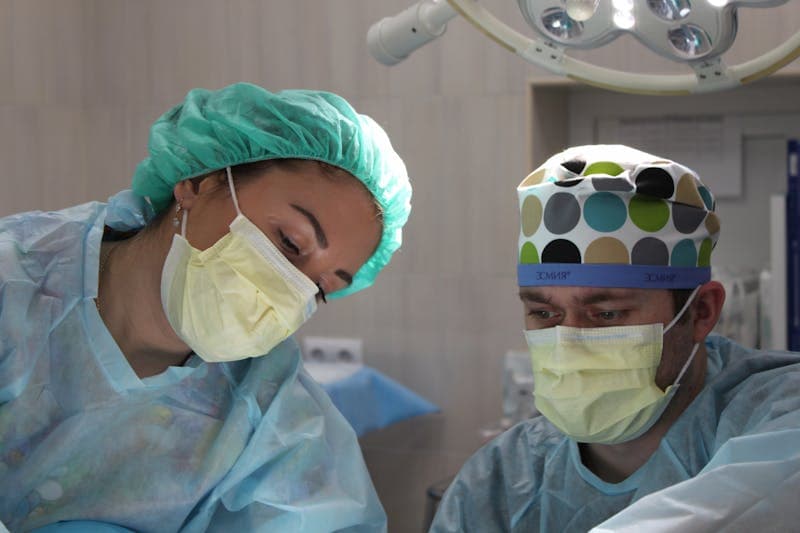
Craniofacial surgery is a highly specialised branch of plastic surgery focused on correcting congenital and acquired deformities of the skull, face, and jaw. These conditions can affect a child's appearance, brain development, vision, breathing, and ability to eat and speak. Craniofacial surgery requires a unique combination of technical expertise, anatomical knowledge, and a deep understanding of growth and development in children.
Dr. Prasanna Somvanshi, a board-certified plastic surgeon in Mumbai, has dedicated a significant portion of his practice to craniofacial surgery, particularly in the paediatric population. His training at JJ Hospital and experience at NH SRCC Children's Hospital – one of India's leading paediatric centres – has provided him with the skills to manage complex craniofacial conditions.
Craniosynostosis
Craniosynostosis is a condition in which one or more of the fibrous sutures in an infant's skull fuse prematurely, restricting normal skull growth. This can lead to an abnormal head shape and, in severe cases, increased pressure on the developing brain.
Types of Craniosynostosis
- Sagittal synostosis – The most common type, causing a long, narrow head shape (scaphocephaly).
- Coronal synostosis – Fusion of one or both coronal sutures, causing a flattened forehead on the affected side (plagiocephaly) or a short, wide skull (brachycephaly).
- Metopic synostosis – Produces a triangular forehead shape (trigonocephaly).
- Lambdoid synostosis – The rarest type, causing flattening of the back of the head on one side.
- Multi-suture synostosis – Involvement of multiple sutures, often associated with genetic syndromes such as Crouzon, Apert, or Pfeiffer syndrome.
Surgical Treatment
Surgery for craniosynostosis is typically performed within the first year of life to take advantage of the brain's rapid growth, which helps mould the skull into a more normal shape. Techniques include:
- Open cranial vault remodelling – The fused suture is removed, and the skull bones are reshaped and repositioned.
- Endoscopic strip craniectomy – A minimally invasive approach suitable for younger infants, followed by helmet therapy to guide skull growth.
- Distraction osteogenesis – Gradual bone lengthening using a device to expand the skull in severe cases.
Dr. Prasanna Somvanshi works in close collaboration with paediatric neurosurgeons during these procedures to ensure both safety and optimal outcomes.
Facial Clefts and Rare Craniofacial Conditions
Beyond common cleft lip and palate, there are rare facial clefts (Tessier clefts) that involve more extensive abnormalities of the facial skeleton and soft tissues. These conditions require meticulous surgical planning and often multiple staged procedures over the course of childhood.
Hemifacial Microsomia
Hemifacial microsomia (also known as craniofacial microsomia or Goldenhar syndrome) is the second most common congenital facial anomaly after cleft lip and palate. It is characterised by underdevelopment of one side of the face, affecting the jaw, ear, and surrounding soft tissues. Treatment may include:
- Distraction osteogenesis of the mandible – Gradual lengthening of the underdeveloped jaw to restore facial symmetry
- Bone grafting – Adding bone to deficient areas of the face
- Ear reconstruction – Using rib cartilage or prosthetics to create a new ear (microtia repair)
- Soft tissue augmentation – Fat grafting or free tissue transfer to improve facial volume and symmetry
The Multidisciplinary Approach
Craniofacial surgery is never a solo endeavour. Optimal outcomes require a multidisciplinary team that includes:
- Plastic surgeon (craniofacial surgeon)
- Paediatric neurosurgeon
- Paediatric anaesthesiologist
- Ophthalmologist
- ENT surgeon
- Orthodontist and dentist
- Speech therapist
- Geneticist
- Psychologist
At NH SRCC Children's Hospital, SevenHills Hospital, and Surya Hospital in Mumbai, Dr. Prasanna Somvanshi has access to all these specialists, ensuring that each child receives coordinated, comprehensive care.
Paediatric Focus and Compassionate Care
Working with children and their families requires not only surgical expertise but also empathy, patience, and clear communication. Dr. Somvanshi takes the time to explain the diagnosis, treatment plan, and expected outcomes to parents, helping them navigate what can be an overwhelming journey. His affiliations with HN Reliance Foundation Hospital, MRR Hospital, and Sushrusha Hospital further expand access to craniofacial care across Mumbai.
Seek Expert Evaluation
If your child has been diagnosed with a skull or facial deformity, early evaluation by a craniofacial surgeon is crucial. Dr. Prasanna Somvanshi offers thorough assessments and tailored treatment plans for children with craniofacial conditions. Contact his clinic in Mumbai to schedule a consultation and learn how modern craniofacial surgery can help your child thrive.
Need Expert Advice?
Consult Dr. Prasanna Somvanshi for personalised guidance on your treatment options.