Microvascular Surgery: Reconnecting Tiny Blood Vessels for Reconstruction
Discover how microvascular surgery enables complex reconstructive procedures by reconnecting blood vessels smaller than a millimetre. Dr. Prasanna Somvanshi explains free flap transfers and reimplantation.
Dr. Prasanna Somvanshi
MCh Plastic Surgery, Mumbai
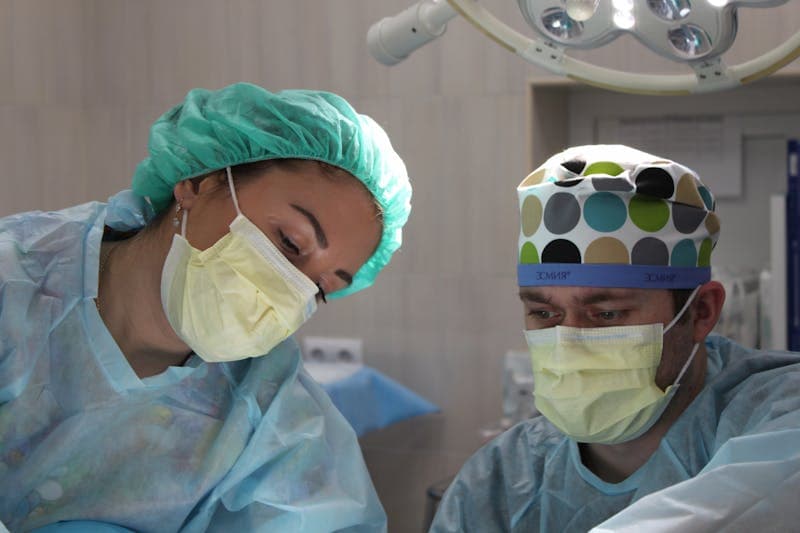
Microvascular Surgery: Reconnecting Tiny Blood Vessels for Reconstruction
Microvascular surgery represents one of the most technically demanding and rewarding disciplines within plastic and reconstructive surgery. By reconnecting blood vessels as small as one to two millimetres in diameter, surgeons can transfer living tissue from one part of the body to another, reattach severed limbs, and reconstruct complex defects that would otherwise be impossible to repair. In Mumbai, Dr. Prasanna Somvanshi is a highly skilled microvascular surgeon who has performed numerous free flap transfers and reimplantation procedures at leading hospitals.
What Is Microsurgery?
Microsurgery is a specialised surgical technique that uses a high-powered operating microscope, ultra-fine instruments, and suture material thinner than a human hair to repair structures invisible to the naked eye. In the context of plastic surgery, microsurgery is most commonly employed for:
- Reconnecting severed blood vessels and nerves
- Transferring tissue (free flaps) for reconstruction
- Replanting amputated fingers, hands, or other body parts
- Lymphatic surgery for lymphoedema
The magnification provided by the microscope ranges from 6x to 40x, allowing the surgeon to work with extraordinary precision on structures barely visible to the unaided eye.
Free Flap Transfers
A free flap is a block of living tissue, including skin, fat, muscle, bone, or a combination, that is completely detached from its original location and transplanted to the area requiring reconstruction. The blood vessels supplying the flap are meticulously reconnected (anastomosed) to recipient vessels at the new site using microsurgical techniques.
Free flap surgery is used in a wide range of reconstructive scenarios:
- Head and neck reconstruction: Following cancer removal, free flaps restore form and function to the jaw, tongue, palate, or facial structures.
- Breast reconstruction: The DIEP flap (Deep Inferior Epigastric Perforator flap) uses abdominal tissue to create a natural breast mound after mastectomy.
- Limb reconstruction: Traumatic injuries, tumour resections, or chronic wounds may require free tissue transfer to cover exposed bone, tendons, or joints.
- Burn reconstruction: Large burn contractures and scars can be resurfaced with healthy, pliable tissue from distant donor sites.
Dr. Prasanna Somvanshi performs free flap surgeries at NH SRCC, SevenHills Hospital, and HN Reliance, where state-of-the-art operating theatres and dedicated microsurgical teams ensure the highest standards of care.
Reimplantation Surgery
Reimplantation refers to the surgical reattachment of a completely severed body part, most commonly fingers, hands, or portions of the upper limb. This procedure demands immediate microsurgical intervention to reconnect arteries, veins, nerves, tendons, and bones. Success depends on several factors:
- Ischaemia time: The shorter the time between amputation and surgery, the higher the success rate. Digits can tolerate up to 12 hours of cold ischaemia, while larger parts have a shorter window.
- Mechanism of injury: Clean, sharp amputations have a better prognosis than crush or avulsion injuries.
- Patient health: Non-smoking status and the absence of vascular disease improve outcomes.
- Proper preservation: The amputated part should be wrapped in moist gauze, placed in a sealed plastic bag, and kept on ice during transport.
Dr. Prasanna Somvanshi has extensive experience in emergency reimplantation procedures and works closely with trauma teams at Surya Hospital and MRR Hospital to provide rapid surgical intervention.
Equipment and Expertise Required
Microvascular surgery requires a highly specialised setup that not all hospitals can provide. Essential components include:
- Operating microscope: A high-quality binocular microscope with adjustable magnification and excellent illumination.
- Micro-instruments: Jeweller-type forceps, microscissors, needle holders, and vessel clamps designed for work on tiny structures.
- Microsutures: Nylon sutures as fine as 9-0 to 11-0, with needles smaller than the tip of a ballpoint pen.
- Monitoring equipment: Implantable Doppler probes and surface monitoring devices to assess flap blood flow post-operatively.
- Trained team: Experienced scrub nurses, anaesthesiologists familiar with lengthy microsurgical procedures, and a dedicated post-operative monitoring protocol.
The procedures can last anywhere from 4 to 14 hours, demanding sustained concentration and stamina from the entire surgical team. Post-operative monitoring in an intensive or high-dependency unit is critical during the first 48 to 72 hours to detect any signs of compromised blood flow early.
Why Expertise Matters
Microvascular surgery has a steep learning curve. Years of dedicated training, laboratory practice, and clinical experience are necessary before a surgeon can consistently achieve high success rates. Dr. Prasanna Somvanshi has honed his microsurgical skills through rigorous training and hundreds of successful procedures, making him one of the best plastic surgeons in Mumbai for complex reconstructive cases.
Consult a Microvascular Specialist
If you or a loved one requires microvascular reconstruction or has suffered a traumatic amputation, time is critical. Contact Dr. Prasanna Somvanshi's clinic in Mumbai or present to the emergency department at Sushrusha Hospital or NH SRCC for immediate evaluation and treatment. Expert microvascular care can restore function, appearance, and quality of life.
Need Expert Advice?
Consult Dr. Prasanna Somvanshi for personalised guidance on your treatment options.