The Importance of Nutrition in Surgical Recovery
Proper nutrition before and after surgery accelerates healing and reduces complications. Discover the essential dietary guidelines for optimal surgical recovery.
Dr. Prasanna Somvanshi
MCh Plastic Surgery, Mumbai
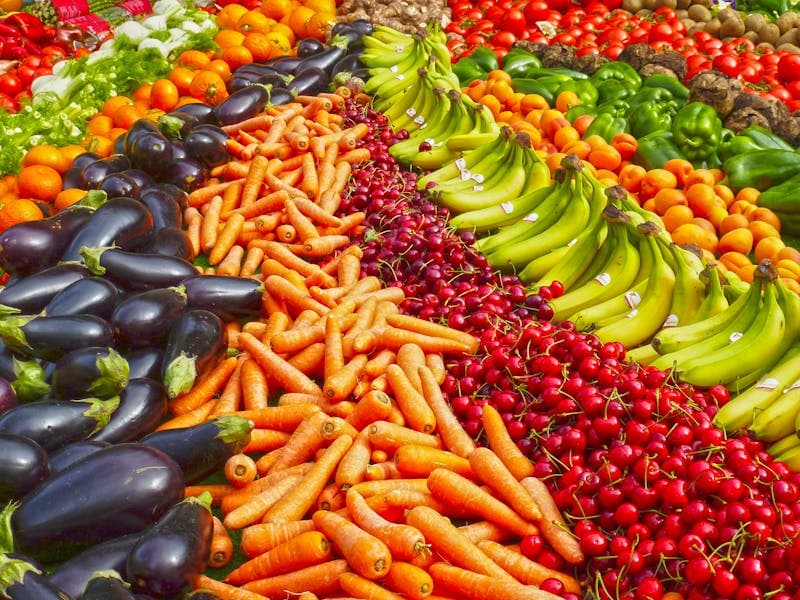
The Importance of Nutrition in Surgical Recovery
Nutrition is one of the most underestimated factors in surgical recovery. Whether you are undergoing cosmetic enhancement or reconstructive surgery, what you eat before and after your procedure directly impacts wound healing, immune function, energy levels, and overall outcomes. Dr. Prasanna Somvanshi, a leading plastic surgeon in Mumbai, emphasises nutritional optimisation as an essential part of every patient's surgical journey.
Pre-Operative Nutrition: Building a Strong Foundation
Preparing your body for surgery begins weeks before the procedure. A well-nourished body heals faster, fights infection more effectively, and recovers with fewer complications. Key pre-operative nutritional strategies include:
- Increase protein intake: Aim for 1.2 to 1.5 grams of protein per kilogram of body weight daily. Good sources include eggs, chicken, fish, paneer, dal, and soy products.
- Load up on vitamins and minerals: Vitamin C (found in citrus fruits, amla, and bell peppers) supports collagen synthesis. Vitamin A (from carrots, sweet potatoes, and spinach) promotes cell growth. Zinc (from nuts, seeds, and whole grains) is essential for immune function.
- Stay well-hydrated: Drink at least 2 to 3 litres of water daily in the weeks leading up to surgery.
- Correct any nutritional deficiencies: Dr. Prasanna Somvanshi routinely checks haemoglobin, albumin, and vitamin D levels before surgery and recommends supplementation when necessary.
Post-Surgical Dietary Needs
After surgery, your body's nutritional requirements increase significantly. The wound healing process demands extra calories, protein, and micronutrients. In the days and weeks following your procedure at hospitals such as NH SRCC, SevenHills, or HN Reliance, Dr. Somvanshi recommends the following dietary guidelines:
- Prioritise protein: Protein is the building block for tissue repair. Include a source of protein in every meal. Whey protein supplements can be helpful if appetite is reduced.
- Eat anti-inflammatory foods: Turmeric, ginger, fatty fish, walnuts, and leafy greens help reduce post-operative inflammation and swelling.
- Include fibre-rich foods: Post-surgical medications, particularly pain relievers, can cause constipation. Fresh fruits, vegetables, and whole grains keep the digestive system functioning smoothly.
- Small, frequent meals: Eating five to six smaller meals rather than three large ones is often better tolerated during recovery.
The Role of Protein in Wound Healing
Protein deserves special attention in surgical recovery. Collagen, the primary structural protein in skin, requires adequate amino acid availability for synthesis. Studies consistently show that patients with adequate protein intake heal faster and develop stronger surgical scars. Dr. Prasanna Somvanshi recommends aiming for 80 to 100 grams of protein daily during the recovery period. Vegetarian patients can meet these needs through combinations of dal, chickpeas, paneer, Greek yoghurt, nuts, and protein supplements.
Hydration and Recovery
Adequate hydration is critical for maintaining blood circulation to healing tissues, transporting nutrients, and eliminating waste products. Dehydration can lead to delayed healing, increased pain, and dizziness. Aim for at least 8 to 10 glasses of water daily. Coconut water, buttermilk, and clear soups are excellent options that also provide electrolytes. Avoid excessive caffeine and sugary beverages, as they can contribute to dehydration.
Supplements That Support Healing
While a balanced diet should be the primary source of nutrition, certain supplements can support recovery:
- Vitamin C: 500 to 1000 mg daily to boost collagen production and immune function.
- Zinc: 15 to 30 mg daily to support wound healing and immune defence.
- Vitamin D: Particularly important for patients with documented deficiency, which is common in Mumbai's urban population.
- Iron: Essential if blood loss during surgery was significant or if pre-existing anaemia is present.
- Probiotics: Help restore gut health, especially if antibiotics are prescribed post-surgery.
Foods to Avoid During Recovery
Certain foods and substances can impair healing and should be avoided:
- Alcohol: Interferes with blood clotting, increases swelling, and interacts negatively with medications. Avoid for at least two weeks post-surgery.
- Processed and high-sugar foods: Promote inflammation and provide empty calories without healing nutrients.
- Excessively salty foods: Can worsen post-surgical swelling and fluid retention.
- Certain herbal supplements: Some herbs like ginkgo biloba, garlic supplements, and ginseng can increase bleeding risk. Always inform Dr. Somvanshi about any supplements you are taking.
Dr. Somvanshi's Approach to Nutritional Guidance
At Surya Hospital, MRR Hospital, and Sushrusha Hospital, Dr. Prasanna Somvanshi works closely with dietitians to create personalised nutritional plans for surgical patients. This collaborative approach ensures that each patient receives tailored guidance based on their procedure, health status, and dietary preferences, maximising healing potential and minimising complications.
Proper nutrition is a powerful tool in your surgical recovery. If you are planning plastic surgery in Mumbai, schedule a consultation with Dr. Prasanna Somvanshi to receive comprehensive pre- and post-operative care, including personalised nutritional guidance for the best possible results.
Need Expert Advice?
Consult Dr. Prasanna Somvanshi for personalised guidance on your treatment options.