Facial Trauma Repair: How Plastic Surgeons Restore Faces After Accidents
Facial injuries from accidents require expert surgical repair. Dr. Prasanna Somvanshi provides emergency and elective facial trauma reconstruction at leading hospitals in Mumbai.
Dr. Prasanna Somvanshi
MCh Plastic Surgery, Mumbai
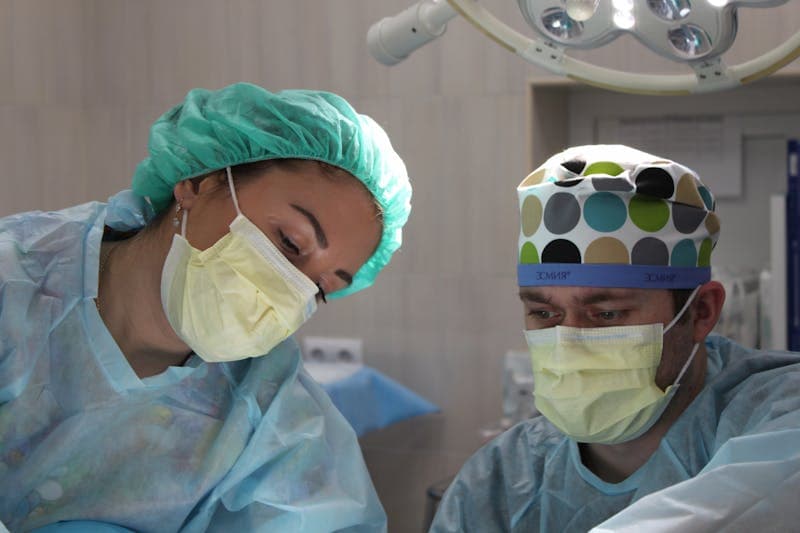
Facial Trauma Repair: How Plastic Surgeons Restore Faces After Accidents
The face is the most visible and expressive part of the human body. Facial injuries, whether from road traffic accidents, falls, assaults, sports injuries, or industrial mishaps, can be devastating both physically and emotionally. Plastic surgeons are uniquely trained to repair facial trauma, combining a deep understanding of facial anatomy with refined surgical techniques to restore both appearance and function. Dr. Prasanna Somvanshi, a specialist plastic surgeon in Mumbai, provides expert facial trauma care at hospitals including SevenHills, HN Reliance, and NH SRCC.
Types of Facial Injuries
Soft Tissue Injuries
These include lacerations (cuts), abrasions (scrapes), avulsions (tissue loss), and contusions (bruises). Facial lacerations require meticulous repair to minimise scarring, particularly when they involve the eyelids, lips, nose, or ears, where even small misalignments are noticeable. Dr. Prasanna Somvanshi uses precise layered closure techniques and fine sutures to ensure optimal cosmetic outcomes.
Facial Bone Fractures
The facial skeleton is composed of multiple bones that are vulnerable to fracture in trauma. Common facial fractures include:
- Nasal fractures: The most common facial fracture. Displaced nasal fractures require reduction (realignment) to restore nasal shape and breathing
- Zygomatic (cheekbone) fractures: These can cause flattening of the cheek, numbness of the upper lip and teeth, and restricted jaw opening. Surgical fixation with titanium plates and screws is often required
- Orbital (eye socket) fractures: Blowout fractures of the orbital floor can cause the eye to appear sunken (enophthalmos) and restrict eye movement, causing double vision. Surgical repair involves reconstructing the orbital floor with titanium mesh or bone grafts
- Mandible (jawbone) fractures: The mandible is the second most commonly fractured facial bone. Fractures can occur at the condyle, angle, body, or symphysis. Treatment ranges from wiring the jaws together (maxillomandibular fixation) to open reduction and internal fixation with plates and screws
- Maxillary (upper jaw) fractures: These are classified using the Le Fort system (I, II, III) based on the level and pattern of the fracture. Complex maxillary fractures require careful reduction and rigid fixation to restore facial height and dental occlusion
- Frontal bone and sinus fractures: Fractures of the forehead region may involve the frontal sinus and require specialised repair to prevent long-term complications such as mucocele formation
Dental and Alveolar Injuries
Trauma frequently involves the teeth and the tooth-bearing bone (alveolar bone). Avulsed or fractured teeth, alveolar bone fractures, and dentoalveolar injuries are managed in coordination with dental and oral surgery specialists.
Emergency Management of Facial Trauma
Initial management of facial trauma follows established trauma protocols. The priority is always to ensure the patient's airway is secure, breathing is adequate, and circulation is stable. Once the patient is stabilised, a systematic facial examination is performed, often supplemented by CT scanning to precisely map fractures and plan surgical repair.
Dr. Prasanna Somvanshi emphasises that timing matters in facial trauma repair. Soft tissue wounds should ideally be repaired within 24 hours of the injury. Facial fractures are often repaired within 7 to 14 days, once initial swelling has subsided sufficiently to allow accurate assessment and reduction. Delayed repair beyond three weeks becomes significantly more difficult as fractures begin to heal in displaced positions.
Surgical Repair Techniques
Fracture Fixation
Modern facial fracture repair uses titanium plates and screws for rigid internal fixation. These low-profile implants hold the fractured bone segments in their correct anatomical position while they heal. Titanium is biocompatible and does not typically need to be removed. Dr. Somvanshi uses strategically placed incisions, often within the mouth or along natural skin creases, to minimise visible scarring from the surgical approach.
Soft Tissue Repair
Facial lacerations are repaired with careful attention to anatomical landmarks. The vermilion border of the lip, the alar rim of the nose, the eyebrow line, and the eyelid margin must all be precisely realigned. Deep layers are repaired first to eliminate dead space and reduce tension on the skin closure. Fine sutures (6-0 or smaller) are used on the face to minimise stitch marks.
Nerve and Duct Repair
Facial trauma can injure the facial nerve (causing paralysis), the parotid duct (causing saliva leakage), or the lacrimal drainage system (causing persistent tearing). These injuries require microsurgical repair by an experienced plastic surgeon to restore function.
Long-Term Outcomes and Secondary Procedures
With expert repair, most patients achieve excellent functional and cosmetic outcomes after facial trauma. However, some patients may require secondary procedures months later to address residual asymmetry, malunion, hardware complications, or scar revision. Dr. Prasanna Somvanshi follows his trauma patients closely at his Mumbai clinics, monitoring healing and planning any necessary secondary interventions.
Facial trauma requires urgent expert attention. If you or a loved one has sustained a facial injury, seek immediate evaluation by a qualified plastic surgeon. Dr. Prasanna Somvanshi is available for facial trauma consultations at NH SRCC, SevenHills, Surya Hospital, HN Reliance, MRR Hospital, and Sushrusha Hospital in Mumbai. Contact our clinic for an urgent appointment or emergency consultation.
Need Expert Advice?
Consult Dr. Prasanna Somvanshi for personalised guidance on your treatment options.