Hand Injuries: Types, Treatment, and Recovery Guide
Hand injuries range from simple fractures to complex crush injuries and amputations. Dr. Prasanna Somvanshi provides a comprehensive guide to emergency care, surgical treatment, and rehabilitation.
Dr. Prasanna Somvanshi
MCh Plastic Surgery, Mumbai
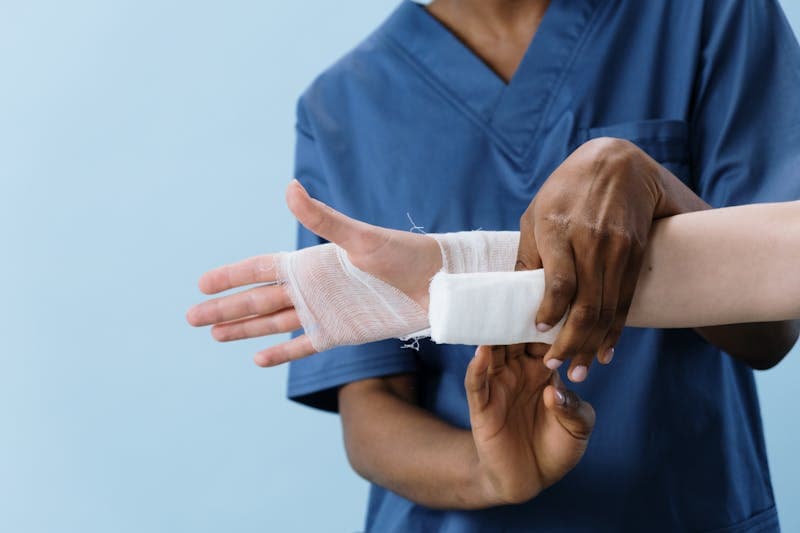
Hand Injuries: Types, Treatment, and Recovery Guide
The human hand is a remarkable instrument of extraordinary complexity, containing 27 bones, numerous tendons, nerves, and blood vessels packed into a compact structure. Because we rely on our hands for virtually every daily activity, injuries to the hand can be profoundly disabling. Prompt, expert treatment is essential to preserve function and prevent long-term complications. In Mumbai, Dr. Prasanna Somvanshi is a skilled hand and reconstructive surgeon who treats the full spectrum of hand injuries at premier medical facilities.
Common Types of Hand Injuries
Fractures
Hand fractures involve breaks in the small bones of the fingers (phalanges) or the bones of the palm (metacarpals). They commonly result from falls, sports injuries, or direct blows. While some fractures heal well with splinting and immobilisation, displaced or rotated fractures often require surgical fixation with pins, screws, or plates to ensure proper alignment and prevent stiffness.
Tendon Injuries
Tendons connect muscles to bones and enable finger movement. Flexor tendon cuts, often caused by sharp objects like knives or glass, prevent the finger from bending. Extensor tendon injuries affect the ability to straighten the finger. Both types require surgical repair followed by a carefully supervised hand therapy programme. The timing of repair is critical; flexor tendon injuries in particular should be treated within days of the injury for the best outcomes.
Nerve Damage
The digital nerves that run along each side of the finger provide sensation to the fingertips. When cut, they cause numbness in the affected area. Nerve repair under magnification using microsurgical techniques gives the nerve the best chance of regeneration, though sensation may take months to return. In some cases, nerve grafting is required to bridge a gap between the severed ends.
Crush Injuries
Crush injuries result from heavy objects falling on the hand, machinery accidents, or doors slamming on fingers. They often involve a combination of fractures, soft tissue damage, and compromised blood flow. The treatment is complex, frequently requiring multiple stages: initial debridement and stabilisation, followed by reconstructive procedures once the tissue has recovered.
Amputations
Traumatic amputations of fingers or portions of the hand are devastating injuries. Depending on the level of amputation, mechanism of injury, and ischaemia time, reimplantation (surgical reattachment) may be possible using microsurgical techniques. When reimplantation is not feasible, reconstructive options include stump revision, toe-to-hand transfer, or prosthetic fitting. Dr. Prasanna Somvanshi has extensive microsurgical experience and performs reimplantation surgeries at NH SRCC and SevenHills Hospital.
Emergency Care: What to Do
Proper first aid in the immediate aftermath of a hand injury can significantly impact the outcome:
- Control bleeding: Apply firm, direct pressure with a clean cloth. Elevate the hand above the level of the heart.
- Protect the wound: Cover open wounds with a clean, moist dressing. Do not attempt to clean deep wounds yourself.
- Preserve amputated parts: Wrap the severed part in damp gauze, place it in a sealed plastic bag, and place the bag on ice. Never place the amputated part directly on ice or in water.
- Immobilise fractures: Splint the injured hand in a position of comfort using a padded board, rolled magazine, or any firm support.
- Seek immediate medical attention: Present to the nearest emergency department as quickly as possible. Time-sensitive injuries such as amputations and vascular injuries require urgent surgical intervention.
Surgical Treatment
Dr. Prasanna Somvanshi provides surgical treatment for all types of hand injuries at HN Reliance, Surya Hospital, and MRR Hospital. Surgical options include:
- Fracture fixation: Open reduction and internal fixation (ORIF) using miniature plates, screws, or K-wires.
- Tendon repair: Primary repair using specialised suture techniques (e.g., modified Kessler) followed by early controlled mobilisation protocols.
- Nerve repair or grafting: Microsurgical repair of severed nerves, with nerve grafts or conduits when direct repair is not possible.
- Vascular repair: Restoring blood flow to ischaemic digits using microsurgical anastomosis.
- Flap coverage: Providing soft tissue cover for exposed bone or tendon using local, regional, or free flaps.
- Reimplantation: Microsurgical reattachment of amputated digits when conditions are favourable.
Recovery and Rehabilitation
Hand therapy is a critical component of recovery after hand surgery. A certified hand therapist works in close coordination with Dr. Prasanna Somvanshi to guide patients through:
- Custom splinting to protect the repair while allowing controlled movement
- Progressive exercise programmes to restore strength, range of motion, and dexterity
- Scar management techniques including massage and silicone application
- Desensitisation exercises for recovering nerve injuries
Recovery timelines vary: simple fractures may heal in six to eight weeks, while complex injuries requiring microsurgery may take six months or longer to achieve maximum recovery.
Expert Hand Injury Care in Mumbai
A hand injury demands specialised surgical expertise. Contact Dr. Prasanna Somvanshi's clinic in Mumbai or visit the emergency department at Sushrusha Hospital for prompt evaluation and treatment. Early intervention by an experienced hand surgeon offers the best chance of restoring full function to your hand.
Need Expert Advice?
Consult Dr. Prasanna Somvanshi for personalised guidance on your treatment options.