Keloid and Hypertrophic Scar Treatment in Mumbai
Keloids and hypertrophic scars can cause discomfort and self-consciousness. Dr. Prasanna Somvanshi outlines the latest treatment options available in Mumbai, from steroid injections to surgical excision.
Dr. Prasanna Somvanshi
MCh Plastic Surgery, Mumbai
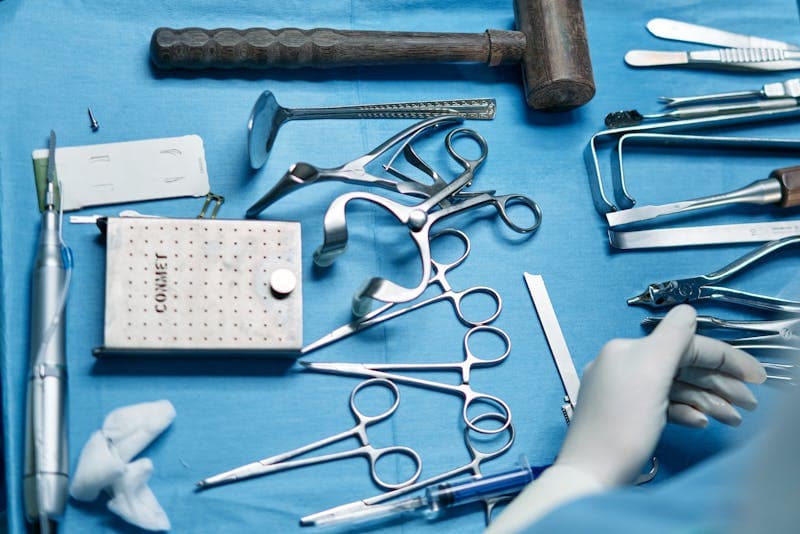
Keloid and Hypertrophic Scar Treatment in Mumbai
Scarring is a natural part of the wound healing process, but sometimes the body produces too much collagen, leading to raised, thickened scars that extend beyond the original wound. Keloids and hypertrophic scars are two such abnormal scar types that can be painful, itchy, and aesthetically distressing. In Mumbai, Dr. Prasanna Somvanshi offers a comprehensive range of evidence-based treatments to manage and reduce these challenging scars.
Keloids vs Hypertrophic Scars: Understanding the Difference
Although keloids and hypertrophic scars may appear similar, they behave differently and require different management strategies.
Hypertrophic Scars
Hypertrophic scars are raised, red, and firm scars that remain within the boundaries of the original wound. They typically develop within weeks of injury and may gradually improve over one to two years. They are more common after burns, surgical incisions, and traumatic wounds. Hypertrophic scars respond well to conservative treatments and tend not to recur after treatment.
Keloids
Keloids, in contrast, extend beyond the original wound margins. They continue to grow over time and do not regress spontaneously. Keloids can develop months or even years after the initial injury and may occur after minor trauma such as ear piercing, acne, or vaccination. They have a higher recurrence rate after treatment and are more common in individuals with darker skin tones. Certain body areas, including the earlobes, chest, shoulders, and upper back, are particularly prone to keloid formation.
Treatment Options
Dr. Prasanna Somvanshi employs a multimodal approach to scar treatment, often combining several therapies for the best results. The following options are available at hospitals including NH SRCC, SevenHills Hospital, and HN Reliance.
Steroid Injections (Intralesional Corticosteroids)
Intralesional injection of triamcinolone acetonide is one of the first-line treatments for both keloids and hypertrophic scars. The steroid reduces collagen synthesis, decreases inflammation, and softens the scar. Injections are typically administered every four to six weeks for a series of three to six sessions. Many patients experience significant flattening, softening, and reduction in symptoms such as itching and pain.
Surgical Excision
Surgical removal of the scar is an option when conservative measures fail or when the scar is very large. However, excision alone carries a high recurrence risk, especially for keloids. For this reason, surgery is almost always combined with adjuvant therapies such as steroid injections, radiation, or pressure therapy. Dr. Prasanna Somvanshi uses meticulous surgical techniques, including tension-free closure and layered suturing, to minimise the risk of recurrence.
Radiation Therapy (Adjuvant)
Superficial radiation therapy delivered within 24 to 48 hours after keloid excision has been shown to significantly reduce recurrence rates to as low as 10 to 20 percent. The radiation inhibits the rapid fibroblast proliferation responsible for keloid regrowth. This treatment is carefully targeted to the scar site, and the dosing protocol is designed to minimise risk to surrounding tissue. Dr. Prasanna Somvanshi coordinates with radiation oncology teams at Surya Hospital and MRR Hospital to provide this adjuvant therapy when indicated.
Pressure Therapy
Sustained pressure applied to a scar using custom-fitted garments, clip earrings (for earlobe keloids), or silicone-backed pressure devices can help prevent scar overgrowth. Pressure therapy is most effective when started early and worn consistently for 12 to 18 hours per day over several months. It works by reducing blood flow to the scar, thereby limiting collagen production.
Silicone Sheets and Gels
Medical-grade silicone sheets and topical silicone gels are well-established, non-invasive treatments for both keloids and hypertrophic scars. When applied consistently for at least 12 hours per day over two to six months, silicone products hydrate the scar, regulate collagen production, and reduce redness, thickness, and discomfort. They are particularly useful as a preventive measure on fresh surgical scars in patients with a history of abnormal scarring.
Other Treatments
Additional therapies may be recommended depending on the scar's characteristics:
- Cryotherapy: Freezing the scar with liquid nitrogen to reduce its size.
- Laser therapy: Pulsed dye lasers reduce redness, while fractional lasers improve texture.
- 5-Fluorouracil (5-FU) injections: An antimetabolite that inhibits fibroblast growth, often combined with steroids.
- Interferon therapy: Used in resistant cases to modulate the immune response.
Prevention Strategies
For patients known to be prone to keloids, prevention is paramount. Dr. Prasanna Somvanshi advises:
- Avoiding unnecessary surgical procedures and piercings in high-risk areas
- Using silicone sheets prophylactically on all new surgical wounds
- Ensuring meticulous wound care and tension-free closure during any necessary surgery
- Early treatment of any scar that appears to be developing abnormally
Get Expert Scar Treatment in Mumbai
Living with keloids or hypertrophic scars does not have to be permanent. With the right combination of treatments, significant improvement is achievable. Schedule a consultation with Dr. Prasanna Somvanshi at Sushrusha Hospital or NH SRCC to explore your personalised treatment plan and take the first step toward smoother, more comfortable skin.
Need Expert Advice?
Consult Dr. Prasanna Somvanshi for personalised guidance on your treatment options.